
Build a plate that spans red, orange, green, purple, and white — each hue brings its own mix of vitamins, minerals, and plant compounds.
General food information only — not medical advice. Nutrient figures are approximate.
Discover by ColourRed foods like tomatoes, capsicum, and strawberries are common sources of vitamin C. One medium tomato (~120 g) delivers about 22 kcal and 15 mg vitamin C, while a red capsicum can exceed 150 mg. Lycopene in cooked tomatoes is a plant compound often discussed alongside small amounts of oil in general cooking tips.
Orange and yellow produce — carrots, pumpkin, apricots, and citrus — supply beta-carotene and often potassium. A cup of cooked pumpkin contains roughly 50 kcal, 2 g fibre, and over 200% of the vitamin A RDI in retinol activity equivalents. Mandarins from Northland and oranges from Gisborne peak in winter, making them an affordable vitamin C source when salad greens are pricier. Grate carrot into coleslaw, roast kūmara wedges, or blend mango into smoothies for variety without much prep time.
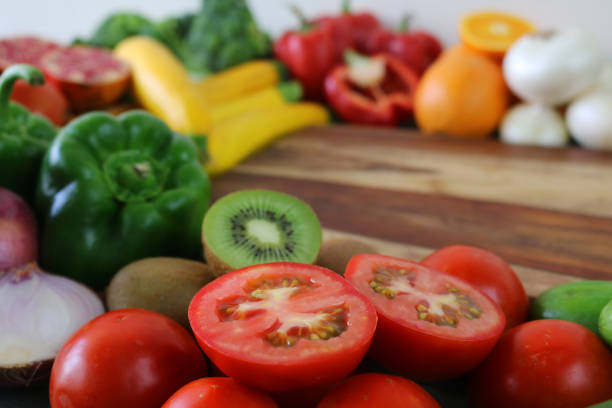 Red and orange produce — vitamin C and beta-carotene
Leafy greens — spinach, kale, rocket, and puha when in season — pack folate, vitamin K, and non-haem iron. Cooked spinach (~180 g) provides about 40 kcal, 4 g fibre, and 260 mcg folate. Pairing iron-rich plants with vitamin C sources in the same meal — lemon over silverbeet or capsicum in a lentil salad — is a common tip in general dietary references.
Purple and blue foods — blueberries, blackberries, red cabbage, and eggplant — contain anthocyanins, plant compounds discussed in food-science literature. A cup of blueberries offers roughly 85 kcal, 3.6 g fibre, and small amounts of vitamin C and manganese. Frozen berries from New Zealand growers are picked at peak ripeness and work well in porridge year-round. Red cabbage shredded into slaw adds crunch and colour at roughly 22 kcal per cup shredded.
| Produce | Calories | Standout nutrient |
|---|---|---|
| Spinach (cooked cup) | ~40 kcal | Folate, iron |
| Broccoli (cup florets) | ~55 kcal | Vitamin C, folate |
| Blueberries (cup) | ~85 kcal | Anthocyanins, fibre |
| Red cabbage (cup) | ~22 kcal | Vitamin C, vitamin K |
Seasonal eating saves money and often tastes better. Farmers markets in Christchurch, Dunedin, and Wellington rotate offerings weekly.
A 2023-style household food survey pattern shows many families buy the same three vegetables weekly — typically potatoes, onions, and carrots. Expanding by just two colours per fortnight diversifies micronutrient intake without a full pantry overhaul. Write a colour checklist on your phone before shopping: one red, one green, one orange, one purple — and fill gaps from what is on special.
Broccoli, red capsicum, and snap peas with garlic over brown rice — roughly 350–400 kcal with 8 g fibre when lightly oiled.
Rocket, beetroot, orange segments, and pumpkin seeds with lemon dressing — about 280 kcal with strong vitamin C and folate.
Kūmara, red onion, and Brussels sprouts roasted at 200°C with grilled fish — a balanced plate under 500 kcal with modest oil.
Rinse fresh produce under running water before peeling or cutting. This reduces surface dirt and handling residues. Dry salad leaves in a spinner to limit moisture that speeds spoilage.
Keep leafy greens in the fridge crisper. Store tomatoes at room temperature until ripe, then refrigerate if needed. Separate raw and ready-to-eat items to avoid cross-contamination on boards and knives.
Pre-cut fruit and bagged salads have shorter safe windows. Use within the date on the pack and discard anything with off smells, sliminess, or mould — even if the date has not passed.
Kūmara, potatoes, and kumara should be cooked through. Sprouted potatoes should be trimmed deeply or discarded. Frozen vegetables should be heated according to pack instructions.