
Fish from our coasts, lean meats, legumes, eggs, and nuts — common protein foods in Kiwi kitchens.
General food information only — not medical advice. Individual protein needs vary.
Explore Protein Options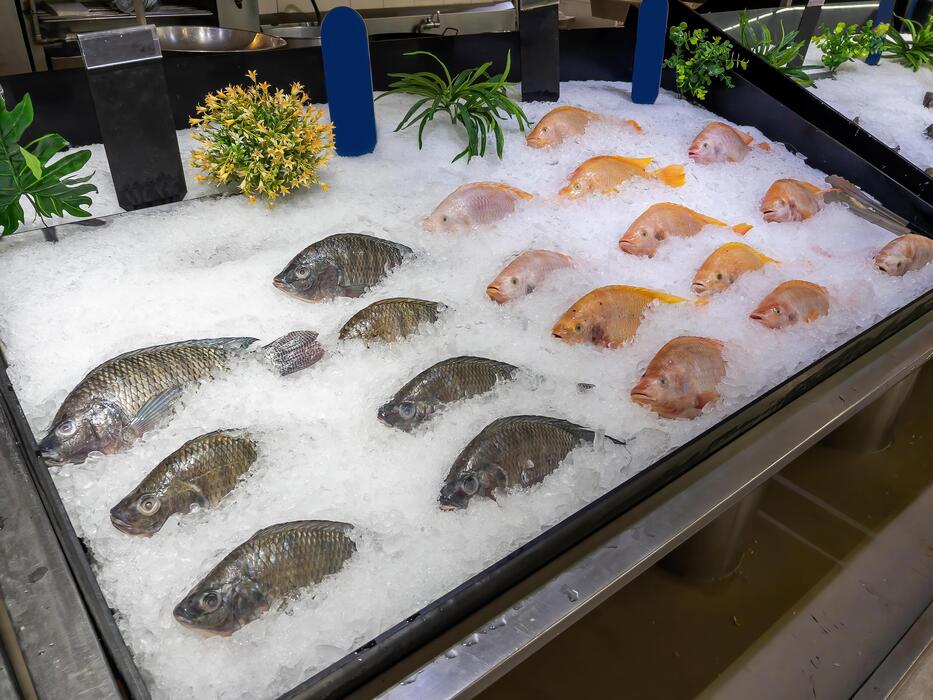 NZ seafood — lean protein with omega-3 fats
New Zealand's fisheries supply hoki, tarakihi, salmon, and shellfish that fit neatly into a balanced diet. A 100 g cooked salmon fillet provides roughly 200 kcal, 20–22 g protein, and 1–2 g omega-3 fatty acids (EPA and DHA). Canned tuna in spring water is a pantry staple — about 115 kcal and 26 g protein per small can, with minimal saturated fat.
General eating guides in New Zealand often suggest including fish in the weekly menu where it suits your household. Grilling, baking, or steaming preserves nutrients without heavy batter. Smoked fish is flavourful but higher in sodium — balance with unsalted sides. For advice about fish choices during pregnancy or for young children, refer to official New Zealand food-safety guidance or speak with a healthcare professional.
Skinless chicken breast (~100 g cooked) delivers about 165 kcal and 31 g protein with roughly 3.6 g total fat. Lean beef mince at 5% fat offers 137 kcal and 21 g protein per 100 g, plus haem iron (~2.5 mg) and zinc. Trim visible fat from lamb cuts and limit processed meats — sausages, bacon, and salami are higher in sodium and saturated fat.
Portion size matters: a palm-sized serve (100–120 g cooked) per meal is adequate for most adults. Slow-cooker lamb and vegetable stew stretched with chickpeas reduces cost per serve while increasing fibre. Marinate with herbs and citrus instead of sugary sauces to keep added sugars low.
Canned chickpeas, lentils, and kidney beans are among the best value proteins in NZ supermarkets. Half a cup of cooked lentils (~100 g) contains about 115 kcal, 9 g protein, 8 g fibre, and 3 mg iron. Rinse canned beans to reduce sodium by up to 40%.
Legumes work in Kiwi classics adapted for nutrition: lentil bolognese, chickpea curry, and white bean soup with silverbeet. Combine with whole grains to broaden the amino acid profile — rice and beans, hummus on wholemeal bread, or barley and pea soup all pair complementary plant proteins across the day.
| Food | Serve size | Calories | Protein | Key micronutrients |
|---|---|---|---|---|
| Large egg | 1 egg (50 g) | ~70 kcal | 6 g | Choline, vitamin D, selenium |
| Almonds | 30 g handful | ~170 kcal | 6 g | Vitamin E, magnesium |
| Walnuts | 30 g | ~185 kcal | 4 g | Omega-3 ALA, copper |
| Peanut butter | 1 tbsp (16 g) | ~95 kcal | 4 g | Niacin, manganese |
| Tofu firm | 100 g | ~80 kcal | 8 g | Calcium (set), iron |
Eggs suit breakfast, lunch, and light dinners — frittata with leftover roast vegetables is a practical Sunday ritual. Nuts are energy-dense; measure portions rather than eating from the bag while watching television. Natural peanut butter on celery or apple slices makes a filling afternoon snack near 150 kcal with fibre from the produce.
Many New Zealanders concentrate most of their protein at dinner. General dietary references often discuss spreading protein across main meals as a meal-planning approach. Figures such as 20–30 g per main meal appear in public eating guides as planning examples — your needs may differ. A registered dietitian can advise on amounts suitable for your age, activity, and health status.